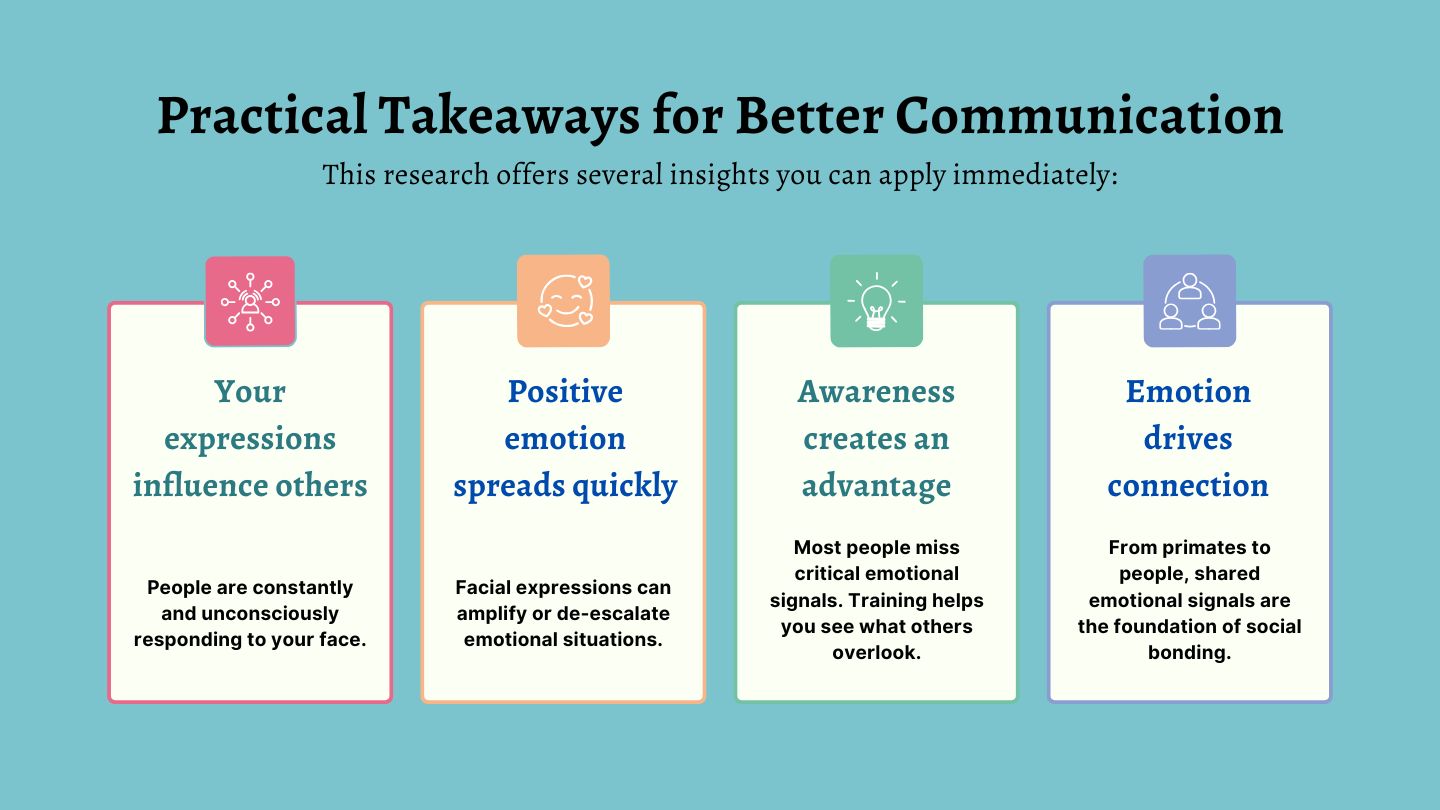
What Primates Can Teach Us About Human Emotion What if the roots of human emotional intelligence extend far beyond human interaction? A recent study highlighted by ZME Science reveals something fascinating: humans don’t just recognize emotional expressions in non-human primates—we mirror them. And we do it automatically. This finding reinforces something we emphasize at Humintell:…
Read MoreWhat Alex Honnold’s Brain Reveals About Fear and Emotion

Understanding emotion, emotional triggers, and nonverbal behavior requires moving beyond surface reactions to examine why certain situations elicit specific responses. You may have heard of Alex Honnold- a famous rock climber who gained worldwide notoriety after becoming the first person to free solo El Capitan in Yosemite National Park. Most recently, Honnold climbed Taipei 101,…
Read MoreResearch: When High Blood Pressure Quietly Dampens the Face
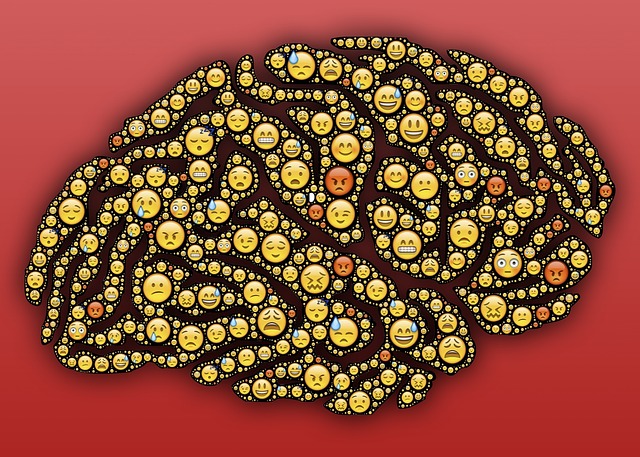
Most of us think of emotional expression as something rooted in psychology—our thoughts, our feelings, our personality. But emerging research continues to remind us that the body and mind are tightly intertwined. A new study, published in Frontiers in Psychiatry, offers compelling evidence that elevated blood pressure may actually mute our ability to express certain…
Read MoreWhy Experiences Boost Happiness and Connection

We often hear that “money can’t buy happiness.” Yet a growing body of research suggests something more nuanced: how we spend our money matters. According to new findings highlighted in Scientific American, spending on experiences—such as concerts, trips, meals, or classes—creates deeper feelings of connection, belonging, and well-being than spending on material goods. This research…
Read More