
A large Danish study called The effects of Covid-19 related policies on neurocognitive face processing in the first four years of life was recently published in Developmental Cognitive Neuroscience. The study authored by Carlijn van den Boomen, Anna C. Praat, Caroline M.M. Junge, and Chantal Kemner investigated the effects of Covid-19 related measures on two…
Read MoreThe Link Between Children’s Bedtime and Emotion Regulation

A recent study from Pennsylvania State University suggests that a consistent bedtime for children leads to better emotion regulation while under stress or working with others. Children Sleep Study Researchers analyzed sleep and behavior data of 143 six-year-olds, mothers of whom were trained about responsive parenting in the first 2.5 years following birth. The children…
Read MoreEmotion Regulation Training to Prevent Postpartum Depression

New research presented at the 37th European College of Neuropsychopharmacology studied the activity in the brain’s amygdala during pregnancy. The amygdala is part of the temporal lobe and part of a larger network in the brain called the limbic system. When it comes to survival, the amygdala and limbic system are extremely important. These are…
Read MoreDigital Devices Can Hinder Kids’ Emotion Regulation Ability
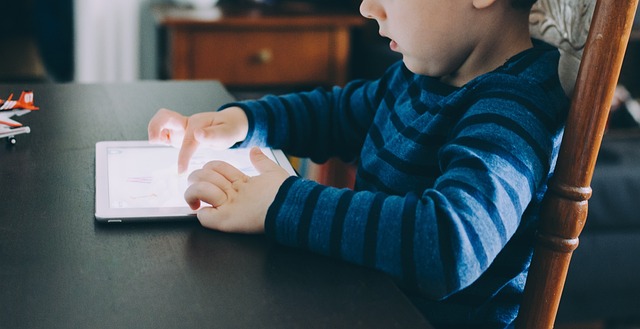
All parents of young children know how challenging it is when your child throws a tantrum. But think again before you reach for a mobile phone or tablet to soothe them. New research entitled “Cure for tantrums? Longitudinal associations between parental digital emotion regulation and children’s self-regulatory skills” suggests that doing so may damage a…
Read More